A Practical Raw Feeding Guide for Real Dogs
Start with body weight. Then adjust for life stage, activity level, body condition, metabolism, and veterinary guidance.
Feeding Is Not One Size Fits All
Feeding amounts vary by life stage. Puppies, adult dogs, active working dogs, pregnant dogs, and lactating mothers can require very different feeding volumes.
Use percentage-based amounts as starting estimates. Monitor body condition, weight, appetite, activity, and overall health, and adjust gradually.
- Puppies change quickly as they grow
- Adults vary with metabolism and activity
- Working dogs may require more than companion dogs
- Pregnancy and lactation increase nutritional demand

Choose the Starting Range That Matches the Dog
These ranges are general starting points, not guarantees or individualized feeding prescriptions.
Puppies
Approximately 8–10% at 2–4 months, 6–8% at 4–6 months, and 3–6% at 6–12 months, calculated from current body weight.
Puppy guidance →Adult Dogs
Many adult dogs begin around 2–3% of body weight per day, then adjust based on body condition and activity.
Adult guidance →Pregnant Dogs
A general starting range may be around 4–5%, with individual planning and veterinary guidance especially important.
Pregnancy guidance →Lactating Mothers
A general starting range may be around 6–8% or more because nursing can substantially increase nutritional demand.
Lactation guidance →Daily Percentage Starting Points
| Life Stage or Activity | Starting Percentage of Body Weight Per Day | Calculation Weight |
|---|---|---|
| Puppy, 2–4 months | 8–10% | Current body weight |
| Puppy, 4–6 months | 6–8% | Current body weight |
| Puppy, 6–12 months | 3–6% | Current body weight |
| Adult maintenance | 2–3% | Current or appropriate target weight |
| Active or working dog | 3–4% | Current or appropriate target weight |
| Pregnant dog | 4–5% | Individual planning recommended |
| Lactating mother | 6–8%+ | Individual planning recommended |
Feeding Chart by Dog Weight
The chart shows daily amounts at 2%, 2.5%, and 3% of body weight.
| Dog Weight | 2% Daily | 2.5% Daily | 3% Daily |
|---|---|---|---|
| 25 lb | 0.50 lb / 8 oz | 0.625 lb / 10 oz | 0.75 lb / 12 oz |
| 50 lb | 1.00 lb / 16 oz | 1.25 lb / 20 oz | 1.50 lb / 24 oz |
| 75 lb | 1.50 lb / 24 oz | 1.875 lb / 30 oz | 2.25 lb / 36 oz |
| 100 lb | 2.00 lb / 32 oz | 2.50 lb / 40 oz | 3.00 lb / 48 oz |
Calculate a Daily Starting Amount
Use this simple formula:
Body weight in pounds × feeding percentage = pounds of food per day50 × 0.025 = 1.25 lb per day
75 × 0.03 = 2.25 lb per day
Convert pounds to ounces
Pounds of food × 16 = ounces of food per dayRecalculate when weight, activity, life stage, or body condition changes.
Know What’s in the Bowl
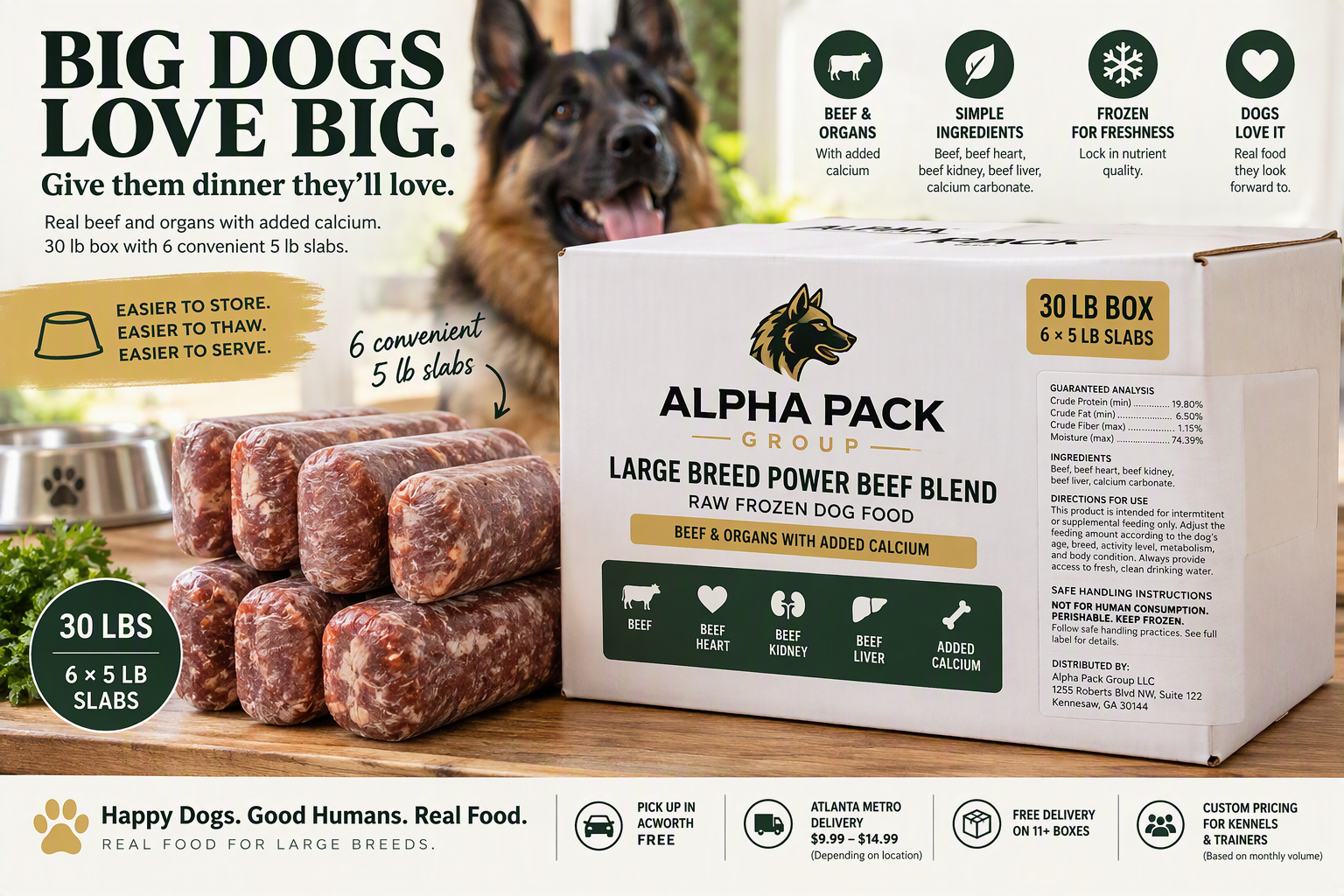
Alpha Pack Large Breed Power Beef Blend
- Beef
- Beef Heart
- Beef Kidney
- Beef Liver
- Calcium Carbonate
Easier to store, thaw, and keep dinner ready.
Review the current product label for ingredients, Guaranteed Analysis, feeding directions, safe handling information, and intended use. Intended for intermittent or supplemental feeding only.
Review Product Information →A Gradual Seven-Day Transition Example
Some dogs may transition faster or more slowly. Monitor the individual dog and seek veterinary guidance when appropriate.
Introduce a Small Amount
Add a small portion of the new food while maintaining most of the existing diet.
Increase Gradually
Increase the new food and reduce the previous food if the dog is tolerating the change.
Move to the Majority
Use a majority of the new food while continuing to monitor appetite, stool, and overall condition.
Reach the Planned Routine
Continue with the intended feeding routine and adjust the portion based on the dog’s response.
Recalculate as the Puppy Grows
Puppy portions are generally calculated from current body weight and use a higher percentage than adult maintenance amounts.
- Weigh growing puppies regularly
- Recalculate the starting amount as weight changes
- Divide daily food into an age-appropriate meal schedule
- Monitor growth and body condition rather than relying only on the formula
- Use veterinary guidance for growth and dietary balance

Use Body Condition to Fine-Tune the Percentage
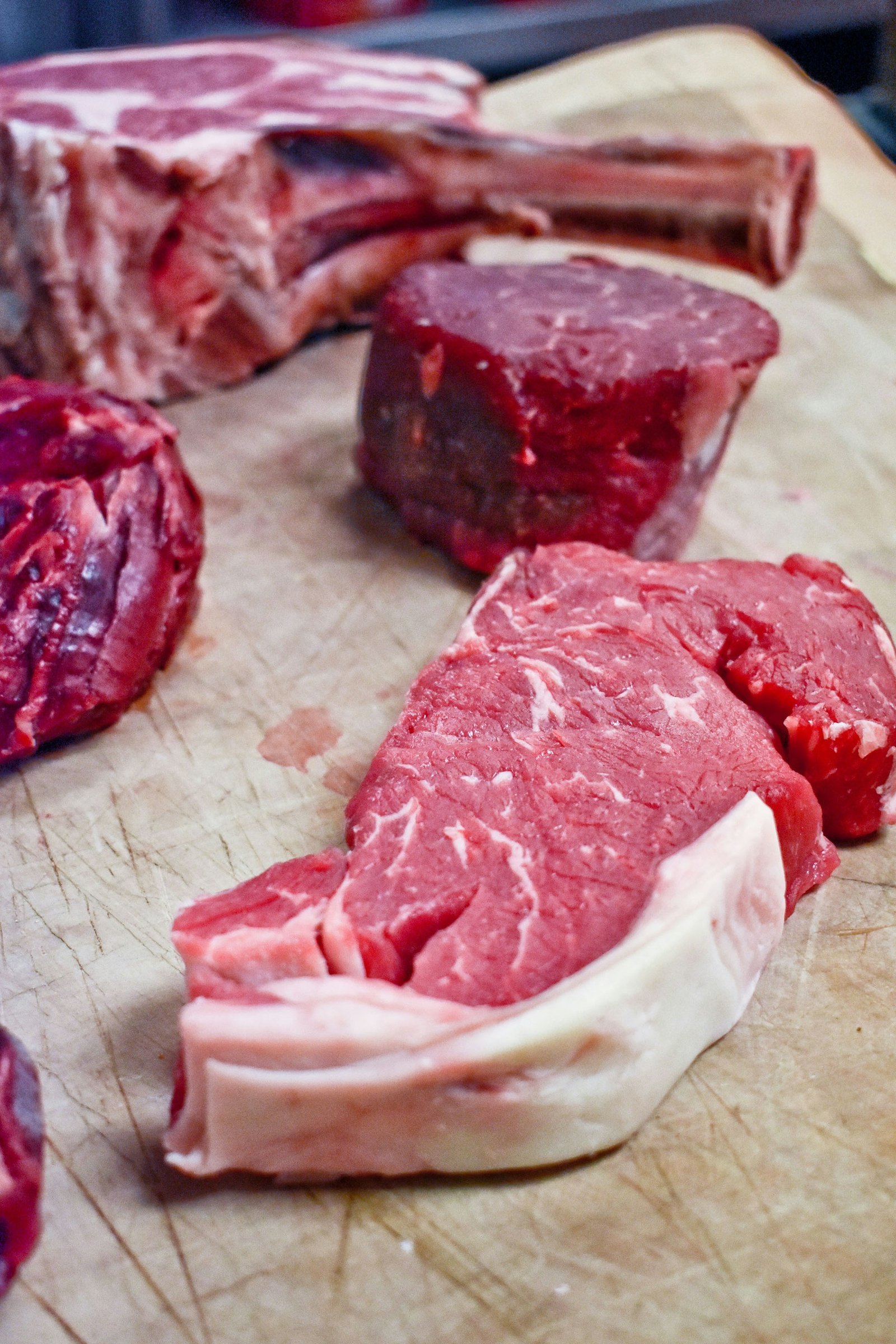
Many adult dogs begin around 2–3% of body weight each day. Active and working dogs may begin around 3–4%. The correct amount is the amount that helps the individual dog maintain an appropriate condition and performance level.
- Reduce gradually if unwanted weight gain occurs
- Increase gradually if the dog loses needed weight
- Reassess when activity or season changes
- Working and sport dogs may have changing demands
Reproductive Stages Require Individual Planning
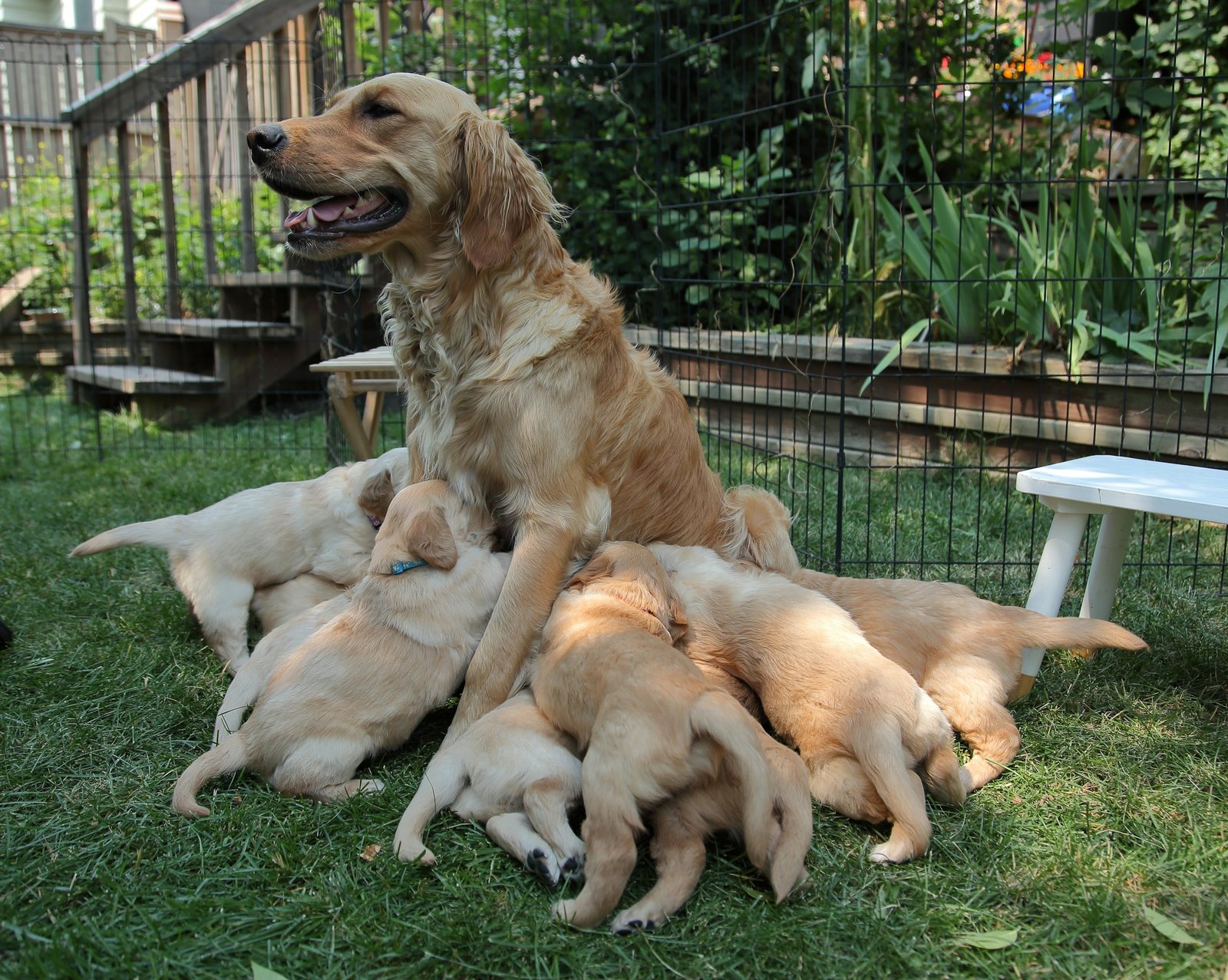
Pregnancy and nursing can substantially increase nutritional demand. Lactating mothers may require the highest feeding amounts of any life stage, but the appropriate amount depends on body condition, litter demands, and veterinary guidance.
- Monitor weight and body condition closely
- Expect needs to change across pregnancy and nursing
- Provide consistent access to fresh water
- Use individualized veterinary guidance for diet balance and quantity
Turn Daily Portions Into an Ordering Plan
Once the daily amount is estimated, multiply by the number of feeding days and dogs to plan freezer space and ordering frequency.
Daily amount × number of dogs × number of days = total food needed1 Alpha Pack box = 30 lb
1 box = six 5 lb rolls
Example: two dogs eating 2 pounds per day each require approximately 120 pounds for 30 days.
For many large-dog households, a typical monthly order may be around two boxes per dog. Actual needs vary based on the individual dog and feeding plan.
Plan Freezer Capacity Before Ordering
- Keep frozen product frozen until needed
- Plan space before purchasing multiple boxes
- Use clean utensils and feeding surfaces
- Clean and sanitize surfaces after handling raw product
- Follow product-specific storage and handling information
Feeding Guide Questions
How much should I feed?
Choose a starting percentage that fits the dog’s life stage and activity, multiply it by body weight, and then adjust based on body condition and veterinary guidance.
Should I calculate from current weight or target weight?
Puppy examples generally use current body weight. For adults that are underweight or overweight, the appropriate calculation weight depends on the dog’s condition and goals. Ask a veterinarian to help select an appropriate target.
How often should portions be adjusted?
Review portions whenever body weight, body condition, activity, life stage, environment, or health changes. Growing puppies may need frequent recalculation.
Do puppies eat the same percentage as adults?
No. Puppies commonly begin at a substantially higher percentage of current body weight, with the percentage generally decreasing as growth progresses.
Can working dogs require more food?
Yes. Active and working dogs often begin at a higher percentage than companion dogs, but the individual dog’s condition and workload should guide adjustments.
What should I do if my dog gains unwanted weight?
Reduce the portion gradually, reassess treats and activity, and continue monitoring body condition. Seek veterinary guidance when weight change is significant or unexplained.
What should I do if my dog loses needed weight?
Increase the portion gradually and monitor the response. Seek veterinary guidance if weight loss is significant, unexplained, or accompanied by other health concerns.
Is one percentage correct for every dog?
No. Percentages are starting points. Individual requirements vary with age, life stage, activity, metabolism, environment, body condition, and health.
How is Alpha Pack packaged?
Each 30 lb box contains six convenient 5 lb frozen rolls.
How many boxes should I plan for?
Estimate the daily feeding amount first, then multiply by the number of feeding days. A typical large-dog household may plan around two boxes per dog per month, but individual needs vary.
Where can I find Alpha Pack product and ordering information?
Review the Products page, Retail Orders, Wholesale Program, and Full FAQ.
Give them dinner they’ll love.
Use the guide to plan responsibly, then make dinner easier with Alpha Pack.
Happy Dogs. Good Humans. Real Food.